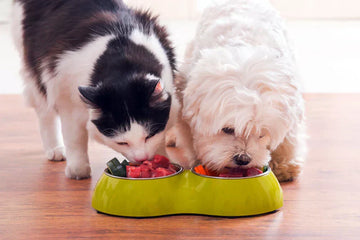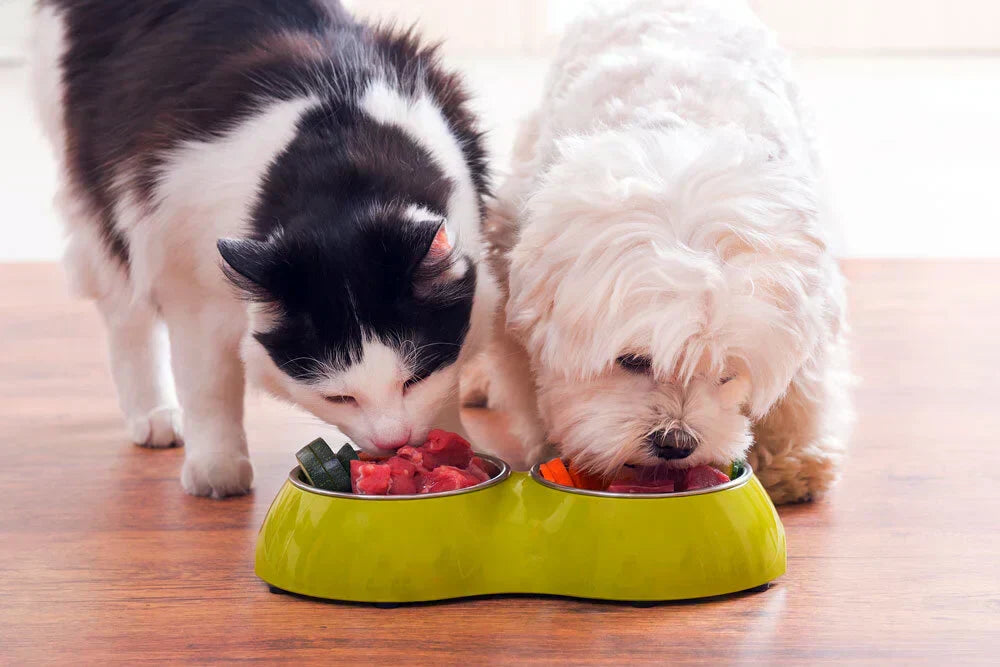
Feeding your pet the right diet is one of the most important responsibilities of being a pet parent. Proper nutrition not only keeps your pet active and happy but also supports long-term health, immunity, and overall well-being. Whether you have a playful pup or a curious cat, here’s a complete guide to feeding them right in 2026.
1. Choose High-Quality, Balanced Food
Not all pet foods are created equal. Always choose food that provides a balanced mix of protein, fats, vitamins, and minerals.
For Dogs:
-
Need a mix of protein, healthy fats, and carbs
-
Look for real meat as the first ingredient
For Cats:
-
Obligate carnivores → require high protein, meat-based diets
-
Avoid excessive fillers like corn or wheat
2. Prioritize Protein-Rich Diets
Protein is the foundation of your pet’s diet.
-
Dogs: Chicken, fish, lamb, eggs
-
Cats: Primarily animal protein (essential for muscle and energy)
In 2026, high-protein diets are trending due to better digestion and improved coat health.
3. Follow a Consistent Feeding Schedule
Routine matters for digestion and behavior.
-
Puppies/Kittens: 3–4 meals a day
-
Adult pets: 1–2 meals a day
Avoid free-feeding unless recommended by a vet.
4. Hydration is Non-Negotiable
Water is just as important as food.
-
Always provide fresh, clean water
-
Cats often drink less → consider wet food to increase hydration
5. Portion Control is Key
Overfeeding can lead to obesity, which is a growing issue in pets.
-
Follow feeding guidelines based on weight, age, and activity level
-
Avoid over-treating
A healthy pet is fit, not overweight
6. Limit Treats & Human Food
It’s tempting to share your food, but many human foods are harmful.
Avoid:
-
Chocolate
-
Grapes & raisins
-
Onions & garlic
-
Excess salt or sugar
Treats should be less than 10% of daily calorie intake
7. Consider Supplements (If Needed)
Some pets may benefit from supplements:
-
Omega-3 for skin & coat
-
Calcium for bone health
-
Probiotics for digestion
Always consult a vet before adding supplements.
8. Go Natural & Clean When Possible
Pet parents are now shifting toward:
-
Grain-free or limited ingredient diets
-
Organic and preservative-free foods
-
Natural treats
This helps reduce allergies and improves digestion.
9. Transition Diets Gradually
Switching food suddenly can upset your pet’s stomach.
Safe transition plan:
-
Day 1–3: 75% old + 25% new
-
Day 4–6: 50% old + 50% new
-
Day 7: 100% new
10. Customize Diet Based on Life Stage
Nutritional needs change over time.
-
Puppies/Kittens: Growth-focused, high-calorie diet
-
Adults: Balanced maintenance diet
-
Senior pets: Lower calories, joint support
Final Thoughts
Good nutrition is the foundation of a healthy, happy pet. By focusing on quality food, proper portions, hydration, and consistency, you can significantly improve your pet’s life.
Remember: Every pet is unique—observe their behavior, coat, and energy levels to understand what works best.